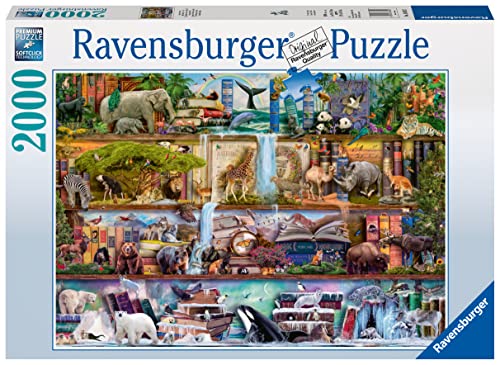
Common Mistakes Every Puzzle Beginner Should Avoid
Puzzle solving can be an engaging and rewarding hobby, but for beginners in 2026, it can also be quite challenging. Many newcomers to puzzles make mistakes that can hinder their progress and enjoyment. Understanding these common pitfalls can significantly improve puzzle skills and make the experience more fulfilling. This article will explore the most frequent errors made by puzzle beginners and provide practical advice to avoid them.
Overlooking the Importance of the Edge Pieces
One of the most common mistakes beginners make is neglecting the edge pieces when starting a jigsaw puzzle. In 2026, many puzzle enthusiasts emphasize the importance of framing the puzzle before diving into the inner pieces. The edge pieces create a boundary that helps visualize the overall picture.
When faced with a new puzzle, the first step should be to identify the edge pieces. Many puzzles come with unique shapes that can make this task easier. Once the frame is completed, it becomes simpler to fill in the remaining sections. By focusing on the edges initially, you can reduce frustration and streamline your puzzle-solving process.
Tips for Identifying Edge Pieces
- Sort pieces by color and shape to expedite the process.
- Look for flat edges to easily identify the borders.
- Group similar colors to find pieces that fit together.
Ignoring the Image on the Box
Many beginners make the mistake of ignoring the image on the puzzle box. Understanding the completed picture is crucial for solving the puzzle efficiently. In 2026, puzzles are often visually stunning, and taking a moment to study the box can provide valuable insights into colors and patterns.
People Also Look For:
- Jojoin 130 PCS Wooden Magnetic Puzzle - New Magnetic Puzzle Board - Cute Animal Fruit Pattern Games Double Sided Jigsaw - Montesso...
- Cutefun Book Nook - DIY Miniature House Kit for Adults Boonook Library Bookshelf Diorama 3D Puzzles Tiny House Craft Gifts for Wom...
- Cooldele 6 in 1 STEM Toys for Kids Age 8-13, Wooden Science Experiments Building Toy for Boys and Girls, Model Car Kit, Wooden 3D ...
- Wooden Puzzles for Adults, 265pcs Mouse\'s Walnut House Wood Puzzle Adult, Unique Animal Shape Jigsaw Puzzles with Wood Box, Chris...
- Gibsons Britain at War 100XXL Piece Jigsaw Puzzle | Nostalgic Jigsaw Extra Large Piece Puzzle for Adults Teens | Sustainable Premi...
For instance, if a puzzle features a landscape, recognizing the different sections such as the sky, mountains, and water can help in segmenting the work. By breaking the puzzle into manageable parts based on the image, beginners can work more strategically, leading to faster completion times.
Utilizing the Box Image Effectively
- Observe the colors and textures to predict where specific pieces may fit.
- Use the box image as a reference point during assembly.
- Take note of any distinct features that can guide placement.
Not Utilizing a Systematic Approach
A common error among beginners is jumping randomly between pieces without a structured approach. In 2026, puzzle enthusiasts recommend developing a systematic method for tackling puzzles. This can involve sorting pieces into categories, such as colors, patterns, or shapes.
For example, when working on a puzzle featuring a busy cityscape, it may be beneficial to separate pieces that belong to the buildings, sky, and roads. This organized method allows for a more focused assembly and reduces the feeling of being overwhelmed. Additionally, working in sections can boost confidence as progress becomes visible.
Strategies for a Systematic Approach
- Establish specific areas for different colors or themes.
- Work on smaller sections before connecting them to the main puzzle.
- Regularly reassess and adjust your sorting strategy as needed.
Becoming Frustrated with Missing Pieces
Another mistake many beginners make is becoming overly frustrated when they encounter missing pieces. In 2026, it is crucial to remember that puzzles can occasionally have production errors or pieces may get lost. Instead of allowing this to diminish the experience, it is beneficial to focus on the completed sections.
Instead of obsessing over missing pieces, beginners should take a moment to appreciate the progress made. This perspective shift can lead to a more enjoyable puzzle-solving experience. Furthermore, if a piece is truly missing, consider contacting the manufacturer for a replacement.
Managing Frustration Effectively
- Take breaks to refresh your mind and reduce stress.
- Engage in another activity to regain perspective.
- Keep a record of your progress to highlight your achievements.
Not Taking Advantage of Online Resources
In 2026, the internet is flooded with resources that can assist puzzle beginners. Many newcomers overlook the wealth of information available online, which includes tutorials, forums, and solving strategies. Utilizing these resources can significantly enhance puzzle-solving skills.
Joining online communities can connect beginners with experienced puzzlers who can offer advice and support. Additionally, watching tutorial videos can provide visual demonstrations of techniques and strategies that can be applied directly to puzzles. Embracing these resources can transform the puzzle experience into a more educational and enjoyable journey.
Finding Valuable Online Resources
- Participate in forums where enthusiasts share tips and experiences.
- Watch tutorial videos that explain various puzzle strategies.
- Follow puzzle blogs for insights into new techniques and trends.